What Are the Best Supplements for Muscle Recovery?
Muscle recovery is where progress happens. Training breaks down tissue; recovery rebuilds it stronger. Smart supplementation can support that process by supplying building blocks, reducing excessive inflammation, and improving sleep and energy balance.
This guide cuts through hype to give clear, practical recommendations for supplements that help recovery, when to use them, and how to combine them with nutrition, sleep and movement for measurable results.
How muscle recovery works (brief)
Recovery is multi-factorial: protein synthesis, glycogen replenishment, inflammation control, and nervous system reset. Supplements are supportive tools—not replacements for proper protein, calories, sleep and progressive training. Use supplements to fill specific gaps and speed elements of recovery, not as a shortcut.
Protein: the non-negotiable foundation
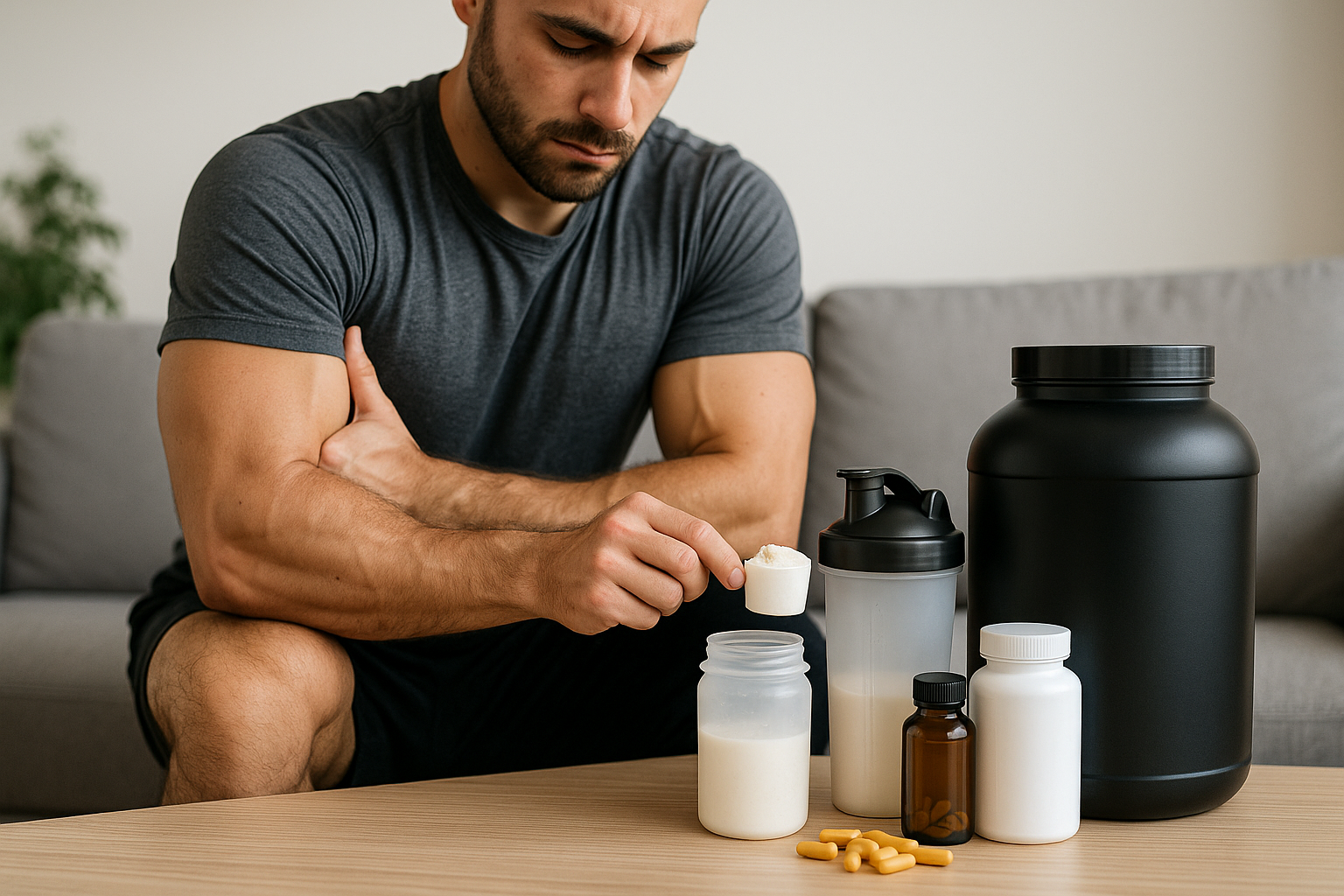
Complete protein intake after training and across the day is the single most important supplement-related strategy. Fast-digesting sources are ideal immediately post-workout to stimulate muscle protein synthesis, while slower proteins can support overnight recovery. Look for high-quality powders that provide 20–40 g of protein per serving.
Explore concentrated recovery options like Protein Powders to simplify post-workout feeding when whole-foods aren’t practical.
Creatine: more than strength, it aids recovery
Creatine monohydrate is well supported for improving strength and repeat-work capacity, and it also helps with recovery between bouts of intense work by speeding ATP regeneration and supporting cellular hydration. Typical dosing: 3–5 g daily. It’s safe for most healthy adults and complements protein very effectively.
For a one-stop source covering multiple recovery-focused products, check general Supplements categories to compare forms and stacks.
BCAAs and EAAs: targeted amino support
Branched-chain amino acids (BCAAs) can help reduce perceived muscle soreness when dietary protein is low, while essential amino acids (EAAs) provide the full substrate profile needed for repair. Use EAAs when you expect a long gap between meals or during fasted training; otherwise prioritize whole protein.
Ready-to-drink or bar formats can be convenient post-session—look in the Nutrition Bars & Drinks section for portable options that combine carbs and amino acids for efficient recovery.
Omega-3s and inflammation control
Long-chain omega-3 fatty acids (EPA/DHA) support a balanced inflammatory response and cell membrane health. They won’t block the beneficial inflammation needed for adaptation but can reduce excessive soreness and support joint comfort when taken consistently. Typical effective doses range from 1–3 g combined EPA/DHA daily.
Vitamins and minerals also influence recovery pathways—key examples include vitamin D, magnesium and zinc—so review products in Vitamins & Wellness when you’re building a recovery regimen.
Gut health, immunity and nutrient absorption
An efficient gut improves nutrient absorption and supports immune resilience, which matters when training intensity is high. Probiotics and targeted gut-support supplements can reduce downtime from illness and help with digestion of protein and carbohydrates.
Consider adding clinically studied strains if you experience recurrent gut issues or frequent upper-respiratory problems. See options in the Probiotics category for strains and delivery formats.
Topicals, tools and passive recovery aids
Creams, patches and braces can’t replace sleep and nutrition but they help manage localized pain or stiffness to keep you moving. For example, post-session topical analgesics or supportive braces can protect an area while healing progresses. For non-pharmacologic aids, look to the recovery category to complement active recovery practices.
Find ergonomic supports and topical options under Recovery & Pain Relief to speed return-to-training when soreness or minor injuries limit progress.
Mobility, stretching and equipment for active recovery
Active recovery sessions—light movement, mobility drills, and foam rolling—promote blood flow and reduce stiffness. The right mat or surface improves comfort and form for stretching and self-myofascial work.
If you do mobility or yoga-style recovery, consider quality movement surfaces listed under Exercise Mats to make consistent recovery sessions easier and safer.
Timing, stimulants and pre-workout considerations
Some pre-workout products contain high stimulant doses that can disrupt sleep or increase nervous-system stress when taken later in the day—this can impair recovery. If you train late or are sensitive to caffeine, choose stimulant-free or low-stim formulations and avoid use within 6–8 hours of bedtime.
To compare stimulant profiles and pick a safer option for late sessions, browse the Pre-Workout category and select formulations aligned with your training time.
Stacking advice: what to combine and when
Simple, evidence-backed stacks:
– Daily: protein intake across meals + 3–5 g creatine.
– Post-workout: 20–40 g fast protein + 30–60 g carbohydrates for glycogen after long or intense sessions.
– Daily: omega-3s and vitamin D if levels are low.
– Targeted: EAAs/BCAAs during fasted sessions; probiotics if digestion or immunity is an issue.
Focus on consistency—small, reliable habits beat sporadic megadoses.
Checklist: Quick practical action items
- Ensure daily protein goal (0.7–1.0 g/lb bodyweight; adjust per goals).
- Start creatine 3–5 g daily—no loading necessary.
- Add 1–3 g EPA/DHA daily for inflammation balance.
- Use EAAs/BCAAs only when meals are delayed or during fasted training.
- Pick stimulant-free pre-workout for evening sessions.
- Use topical or support products to manage focal pain and keep moving.
- Prioritize sleep, hydration and light active recovery sessions on off days.
FAQ
- Q: How soon after training should I take protein?
A: Aim for a serving within 60 minutes when practical; the total daily protein dose matters more than the exact minute. - Q: Are BCAAs necessary if I get enough protein?
A: Generally no—whole protein or EAAs provide complete support. BCAAs are useful when total protein is insufficient. - Q: Will omega-3s blunt training adaptations?
A: At normal doses (1–3 g), omega-3s support balanced inflammation without blunting long-term adaptations. - Q: When should I use topical relief vs. rest?
A: Use topical supports to manage pain that would otherwise prevent safe movement; rest when pain signals a potential injury that needs professional assessment. - Q: Does creatine cause weight gain?
A: Creatine can increase water in muscle and, combined with muscle mass gains, may raise scale weight—this is expected and not harmful for most athletes.
Conclusion: Practical takeaway
Prioritize protein, consistent creatine, proper calories and sleep first—then fill gaps with omega-3s, probiotics, and targeted EAAs or topical aids as needed. Use stimulant-free pre-workouts for late sessions and make active recovery a habit. Thoughtful, consistent application of a few well-chosen supplements will deliver real improvements in recovery and performance.