Top Fitness Essentials for Home Workouts
Setting up an effective home routine doesn’t require a garage full of machines. With a concise selection of reliable items, you can build strength, improve cardio, and maintain mobility—right where you live.
Below are practical, trustworthy recommendations for choosing the best home workout equipment for different goals, spaces, and budgets, plus setup tips and a checklist to get started quickly.
Why investing in the right home workout equipment matters
Home workouts work when equipment supports consistency, safety, and progression. The right pieces reduce friction—less setup time and more focused training—so you actually stick with a plan. If you’re assembling a dedicated area, consider browsing a curated list of Home Gym Equipment to see compact, multi-use options that fit apartments and garages alike.
Essential cardio gear for small spaces
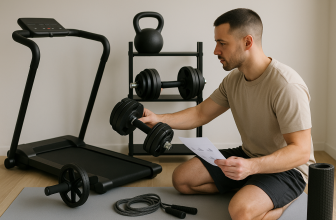
Cardio keeps your heart healthy and boosts caloric burn between strength sessions. For home use, prioritize machines or tools that balance impact, footprint, and noise level. Popular space-saving options include compact treadmills, foldable bikes, and rowers—you can explore a variety of models in the Cardio Equipment category to match capacity and noise constraints.
Key strength-training tools to build muscle at home
Strength work is the backbone of fitness. Start with a small set of versatile items: adjustable dumbbells or kettlebells, a power band set, and a stable bench or step. These let you perform squats, presses, rows, deadlifts, and loaded carries without needing a full rack. For targeted pieces and programs, check the Strength Training selection that focuses on compact, practical solutions.
Mobility, recovery, and pain prevention essentials
Training consistently demands recovery. Foam rollers, massage balls, and a simple percussion or vibration tool help reduce soreness and maintain range of motion. If chronic tightness or posture issues limit your workouts, items designed for support and relief are worth adding—see options under Recovery & Pain Relief.
Small gear that delivers big results
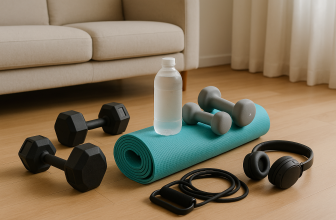
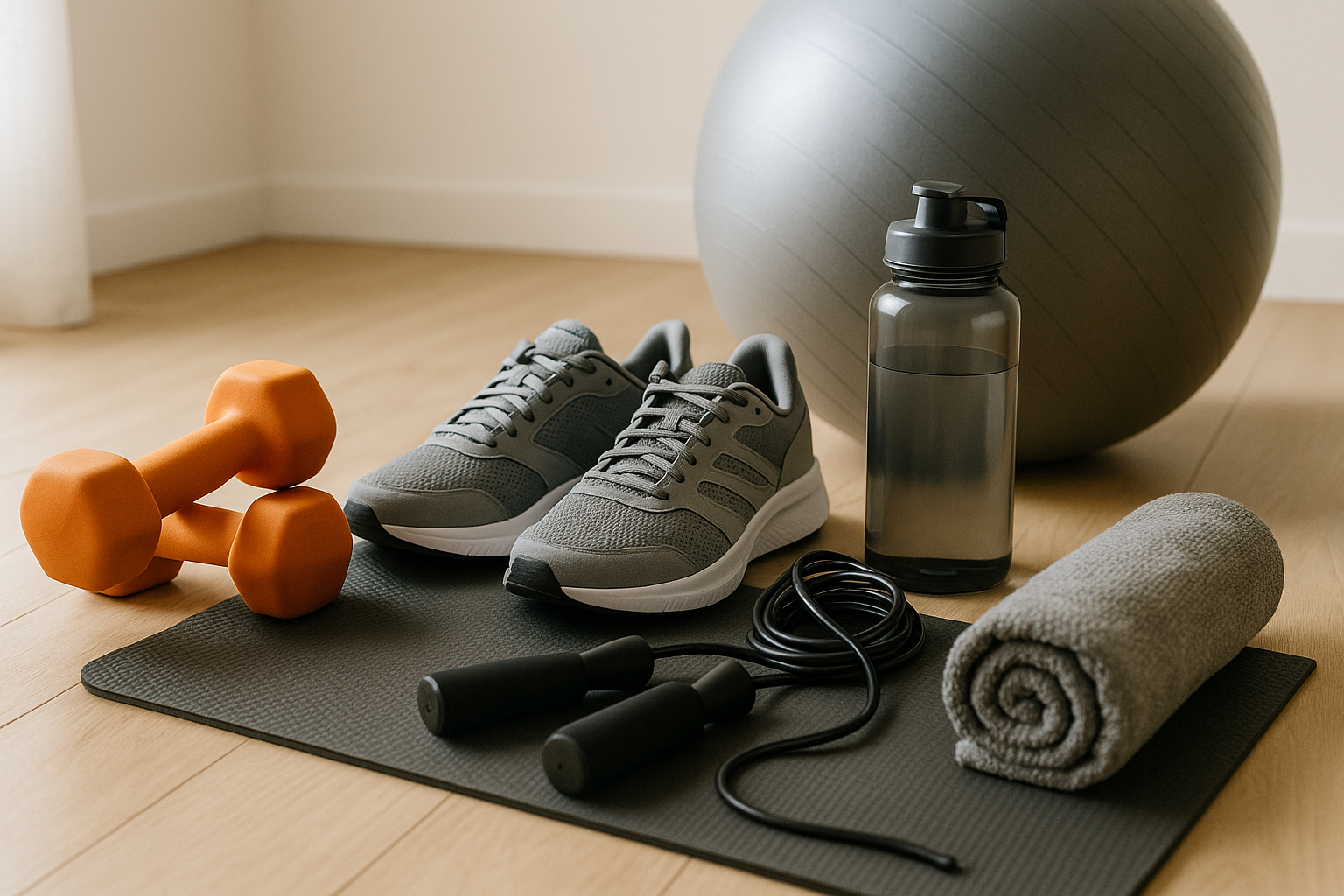
Inexpensive accessories increase exercise variety and program adherence. Bands, suspension trainers, jump ropes, and ankle weights expand movements without bulky equipment. A good non-slip mat creates a safe surface for lifting and floor work—shop quality Exercise Mats to protect both your floor and your joints.
Also consider practical add-ons like resistance loops, door anchors, and grip aids. These live in the Fitness Accessories category and are cheap insurance against boredom and plateaus.
Tech and tracking: get measurable progress
Tracking performance keeps you honest and helps plan progression. Use a simple stopwatch, basic fitness tracker, or app-connected devices that log workouts and heart rate. If you prefer hardware, explore straightforward choices in Fitness Technology for timing, monitoring, and integrating workouts into weekly plans.
Designing a practical home gym layout
Layout matters more than quantity. Aim for a 6–8 foot space for dynamic movement; clear a corner for strength work and keep a small cabinet for accessories. Mirrors help with form, and a durable floor protector preserves subflooring. For low-impact practice, tools from the Yoga & Pilates category—mats, blocks, straps—are ideal complements to strength and cardio sessions.
Budgeting and buying strategy
Buy in phases: start with multi-use basics (adjustable dumbbells or bands, mat, and a cardio option) then add equipment to fill program gaps. Prioritize safety—solid construction and good warranties matter more than branding. When possible, demo gear or read product specs to ensure dimensions and weight ratings fit your space and goals.
Quick checklist: must-have home workout equipment
- Adjustable dumbbells or kettlebells (or a set of free weights)
- Resistance bands and suspension anchor
- One compact cardio tool (bike, rower, or treadmill)
- Non-slip exercise mat
- Foam roller or massage ball for recovery
- Basic tracking tool (stopwatch or fitness tracker)
- Storage solution to keep gear tidy
FAQ
Q: What is the minimum equipment I need to start strength training at home?
A: A pair of adjustable dumbbells (or kettlebell), a stable surface (bench or step), resistance bands, and a mat cover most beginner-to-intermediate programs.
Q: Can I get an effective cardio workout without large machines?
A: Yes. High-intensity interval training (HIIT), jump rope, stair climbs, and bodyweight circuits provide strong cardiovascular stimulus in small spaces.
Q: How should I prioritize purchases if I’m on a tight budget?
A: Buy for versatility first—bands and adjustable weights give the widest range of exercises. Add a cardio option next, chosen for space and noise tolerance.
Q: How do I prevent injuries training at home?
A: Warm up, use progressive overload, prioritize form, and include mobility/recovery tools like rollers and stretching. If pain persists, consult a health professional.
Q: How often should I replace mats or small accessories?
A: Inspect gear monthly. Replace mats when padding degrades or surface becomes slippery; bands should be replaced if showing cracks or frays.
Conclusion
Home workouts can be highly effective with a focused, phased approach to equipment. Start with versatile, space-friendly pieces, protect recovery, and track progress. The right home workout equipment selection reduces barriers and delivers measurable results—build your kit around consistency, then expand as your needs evolve.