Starting a morning fitness routine is one of the most effective ways to build consistency, boost energy, and protect your day from stress. For beginners, the key is to start small, be realistic, and design a routine that fits your time, space, and goals.
This guide breaks down the steps to design an efficient morning routine you’ll keep. It covers timing, warm-ups, equipment options, nutrition, recovery, and habit strategies so you can begin tomorrow with confidence.
Why a morning routine works
Morning workouts reduce scheduling friction: fewer interruptions, clearer priorities, and a faster start to metabolism. They also create momentum—completing something physical early makes it easier to maintain productive habits the rest of the day.
For many beginners, mornings are also cooler, less crowded (if you use public spaces or gyms), and easier to protect from last-minute work or social obligations.
Set realistic goals and time blocks
Decide a target you can maintain 4–6 weeks. For example, 20–30 minutes five days a week is more effective long term than sporadic 60-minute sessions. Break time blocks into warm-up (5 min), main work (10–20 min), and cool-down (3–5 min).
Use short, measurable goals: “3 strength circuits” or “20 minutes of steady cardio.” Tracking small wins helps you progress safely and prevents burnout.
Choose the right routine for your goals
Beginner routines should blend movement types: mobility, cardio, and basic resistance. If strength is a priority, focus on compound moves like squats, push-ups, and rows 2–3 times weekly and supplement with light cardio on alternate days. Learn foundational lifts and progression plans from trusted resources or classes in the Strength Training category.
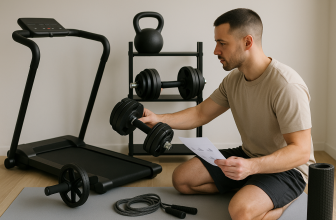
If fat-loss or endurance is the goal, prioritize consistent moderate cardio and interval days. Home cardio options and compact machines make it easy to fit sessions into tight mornings—see the Cardio Equipment category for practical choices you can place at home.
Warm-up and mobility: prevent injury and improve performance
A 5–8 minute dynamic warm-up prepares the nervous system and joints. Include joint circles, walking lunges, hip openers, and shoulder activations. A short mobility flow—sun salutations or a mobility circuit—can be enough on shorter days.
For calmer starts or days when recovery is the priority, a gentle yoga sequence or targeted stretches work well. Explore simple routines and gear options in the Yoga & Pilates category to support flexibility and morning calm.
Sample beginner morning routines
Here are three dependable templates you can rotate. Each fits a 20–30 minute window:
- Strength-focused (3× per week): 5 min warm-up, 3 circuits of 8–12 reps (bodyweight squats, push-ups or incline push-ups, bent-over rows or dumbbell rows), 3–5 min cool-down.
- Cardio-focused (2× per week): 5 min warm-up, 20 min steady-state (jog, brisk walk, or low-impact row), 3–5 min cool-down. Compact rowers or home machines are efficient choices; check Home Gym Equipment options if you want a permanent setup at home.
- Recovery/light day (1× per week): 10–15 min mobility/yoga, 10 min core work or balance drills, breathing and cool-down.
Gear, clothing, and small investments that matter
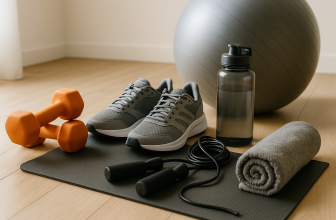
You don’t need expensive gear to start, but the right clothing and accessories reduce friction. Lightweight, breathable layers keep you comfortable and make morning weather less of an excuse—browse reliable basics in our Activewear collection.
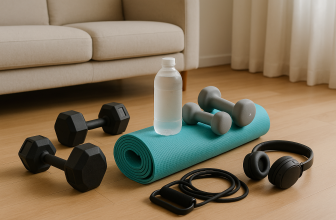
Small, well-chosen tools—resistance bands, a stable mat, a set of adjustable dumbbells, or a stopwatch—can make short sessions more effective. If you plan to train at home consistently, consider compact equipment that fits your space.
Nutrition and supplements for morning training
Hydration and a light carbohydrate source are often sufficient for morning workouts. A glass of water on waking and a small snack (banana, toast, yogurt) 20–30 minutes before moderate sessions can prevent dizziness and low energy.
If you’re exploring performance support, use trusted basics rather than extremes. For general supplementation or to find pre-workout and protein options tailored to mornings, review items in the Supplements category. Always start with product basics and track how your body responds.
Tracking progress and using simple tech
Tracking keeps motivation high. Use a simple timer, stopwatch, or app to log duration and sets. For interval work, a stopwatch or dedicated interval timer makes sessions efficient. Practical devices and timing tools are available in our Fitness Technology section—choose what feels intuitive and unobtrusive.
Record basic metrics: session length, perceived exertion, and one measurable output (e.g., number of push-ups or distance rowed). Small weekly improvements add up.
Recovery, pain prevention, and listening to your body
Recovery is part of the routine. Include sleep, hydration, foam rolling, and targeted mobility. If you experience persistent soreness or discomfort, adopt restorative days and consult professionals. Recovery tools and supports for mild aches can help you continue training safely—see the Recovery & Pain Relief options for accessories and supports.
Never push through sharp pain. Adjust intensity, frequency, and volume until movement feels sustainable and manageable.
How to make mornings stick: habit strategies
Consistency relies on small habit tricks: prepare gear and clothes the night before, set an achievable alarm time, and pick a specific cue—“put on shoes” or “drink a glass of water”—to trigger action. Reward completion with a non-food treat if that helps: a hot shower, playlist, or 10 minutes of reading.
Start with accountability: join a class, get a training buddy, or keep a simple workout log. Aim for progress, not perfection—missed days are normal; return to the schedule without judgment.
Quick checklist: what to do tonight for a smoother morning
- Lay out workout clothes and shoes.
- Set water by the bedside; charge your phone/watch.
- Prepare any small equipment (band, mat, weights) you’ll need.
- Plan a 20–30 minute routine and set a specific start time.
- Choose a simple pre-workout snack if needed.
FAQ
- How long should my first workouts be? Start with 15–30 minutes. Short, consistent sessions beat long sporadic ones.
- Should I eat before a morning workout? For short low-to-moderate sessions, water alone may suffice; for higher intensity, try a small carbohydrate snack 20–30 minutes before.
- What if I don’t have equipment? Bodyweight circuits, brisk walks, or stair climbs are effective. Gradually add minimal equipment as needed.
- How quickly will I see results? Expect improved energy and mood within days; measurable fitness changes typically appear in 4–8 weeks with consistent effort.
- How to avoid burnout? Rotate intensity, include recovery days, and scale back if fatigue increases. Consistency matters more than daily high intensity.
Starting a morning fitness routine is about designing something that fits your life, not reshaping your entire schedule overnight. Keep it simple, use small habits to remove friction, and pick tools that make training easier, not more complicated.
Practical takeaway: prepare tonight—clothes, water, and a 20–30 minute plan—and commit to one week. Use the routines above, track sessions, and adjust based on how your body responds.