How to Choose the Right Fitness Equipment
Buying fitness equipment is an investment in your health and time. The right pieces will support consistent workouts, reduce injury risk, and make it easier to meet your goals. The wrong ones can take up space, drain your budget, and collect dust.
This guide walks you through practical steps to choose equipment that fits your goals, space, budget, and lifestyle. Read each section to make considered decisions and avoid common pitfalls.
Define Your Goals and Available Space
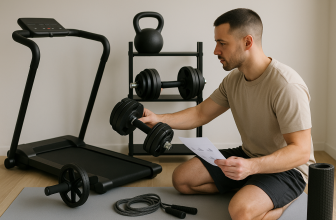
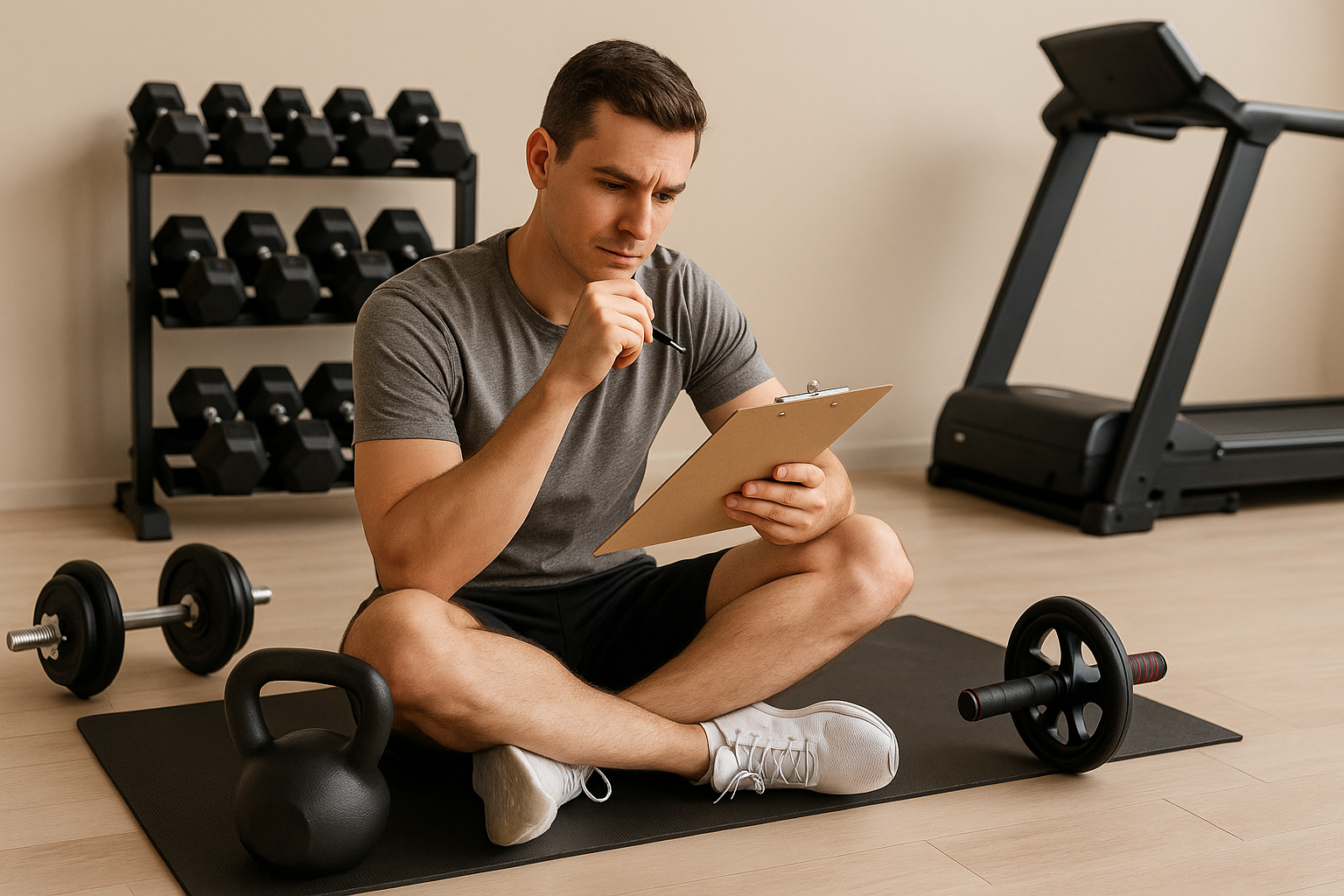
Start by naming your primary goal: weight loss, muscle gain, general health, sport-specific training, or mobility. Then measure the space where equipment will live. If you plan a multi-function home setup, browse options designed for compact setups like Home Gym Equipment to see modular racks, foldable benches, and space-saving combos.
Choose Based on Workout Type — Cardio
If your goal is cardiovascular fitness or calorie burn, prioritize cardio machines. Treadmills, bikes, ellipticals, and rowers each give different loading patterns and space footprints. Check models and categories geared to sustained aerobic use by exploring Cardio Equipment. Consider noise, footprint, and maintenance when comparing units.
Choose Based on Workout Type — Strength
For strength and hypertrophy, free weights and resistance systems deliver the best progression. If you need a structured approach, look into barbells, dumbbells, kettlebells, and compact rigs that scale with your strength. Browse curated options under Strength Training to match equipment to lifts you’ll actually perform.
Don’t Overlook Apparel and Movement-Friendly Gear
Good workouts are easier when you have appropriate clothing that fits, breathes, and supports your movement. Proper shoes and garments reduce distraction and prevent chafing. Explore practical choices for layered training and everyday performance in the Activewear category to pair your equipment investments with what you wear.
Use Technology to Improve Consistency and Data
Fitness tech — from heart-rate trackers and smart scales to timers and apps — makes workouts measurable and repeatable. Devices that track progress, guide intervals, or log sessions increase accountability. Look through suitable options in Fitness Technology to find devices that integrate with how you train.
Include Flexibility and Recovery Tools
Flexible, mobile bodies support heavier training and better performance. Tools like mats, blocks, straps, and light props enable recovery sessions, mobility work, and low-impact conditioning. If you plan yoga, pilates, or mobility-focused days, see options tailored to those practices in Yoga & Pilates.
Prioritize Recovery, Safety, and Maintenance
Every piece of equipment requires upkeep and has safety considerations. Flooring, rack anchoring, and correct sizing matter. Keep first-line recovery supplies and supports on hand—braces, foam rollers, or compression tools—to manage soreness and reduce injury risk. Browse sensible recovery add-ons at Recovery & Pain Relief.
Budget, Quality, and Long-Term Value
Decide whether to prioritize upfront cost or long-term durability. A cheap machine might save money now but fail quickly; a high-quality item can be resold or used for years. Don’t forget small items that extend equipment life: lifting straps, protective sleeves, and storage solutions. Consider which extras you’ll actually use by reviewing Fitness Accessories.
Practical Buying Checklist
- Define one primary fitness goal and 1–2 secondary goals.
- Measure your space (length, width, ceiling height) and plan layout.
- Set a realistic budget including delivery and assembly.
- Prioritize multi-use equipment that matches your schedule.
- Check warranty, return policy, and local service availability.
- Factor in accessories, apparel, and tech to complete your setup.
How to Test Equipment Before Committing
Whenever possible, test machines in person. Sit on bikes, perform a set on benches, and try a rower’s stroke to assess comfort and ergonomics. If you can’t test locally, look for video demos, reviews, and precise dimensions. Make sure controls, cushioning, and adjustment ranges fit your body and training style.
Delivery, Assembly, and Installation Tips
Plan delivery and setup ahead of time. Measure doorways and confirm building access. For heavy items, professional assembly is often worth the cost to ensure safety and preserve warranty. Protect flooring with mats and confirm electrical requirements for motorized gear.
Common Mistakes to Avoid
- Buying equipment because it looks impressive rather than matching goals.
- Underestimating space or failing to measure ceiling height.
- Ignoring maintenance costs and warranty limitations.
- Skipping a test ride or trial for machines you’ll use frequently.
- Overloading purchase list with accessories you won’t use.
FAQ
- Q: What equipment is best for small spaces?
A: Choose foldable or compact items like a folding treadmill, adjustable dumbbells, or a compact rower. Look for multi-functional pieces that collapse or store vertically. - Q: Should I buy a treadmill or a stationary bike?
A: Depends on goals and joint tolerance. Treadmills are higher-impact and great for running; bikes are lower-impact and better for long-duration cardio. Consider noise and space too. - Q: Are adjustable dumbbells worth the cost?
A: Yes, if you need multiple weight increments but lack storage. They save space and can replace entire dumbbell sets for many users. - Q: How much should I budget for a basic home setup?
A: A functional starter setup (cardio option, adjustable weights, and mat) can be achieved at various budgets; prioritize durability and buy the best you can afford for frequently used items. - Q: How long should fitness equipment last?
A: With normal use and proper maintenance, quality equipment often lasts many years. Warranty terms vary—check manufacturer specs and user reviews for real-world longevity.
Conclusion — A Practical Takeaway
Choose fitness equipment by aligning purchases to your goals, space, and budget. Prioritize multi-use, durable items you’ll use consistently, and complement equipment with proper apparel, tech, and recovery tools. A measured approach prevents wasted money and builds a reliable home training routine.