How Do You Choose the Right Yoga Mat for Your Practice?
Choosing the right yoga mat can transform your practice. The right mat keeps you stable in balance poses, cushions sensitive joints, and makes your home practice feel intentional.
This guide breaks down the practical factors—materials, thickness, grip, size, portability and care—so you can pick a mat that fits your style, space and long-term goals.
Know your practice and style
Different styles of yoga demand different mats. Gentle Hatha or restorative classes benefit from thicker, softer mats, while hot yoga and fast-flow Vinyasa require superior grip and sweat resistance. If you follow structured classes or need additional props, explore exercise mats for heavier-duty options and stability aids that crossover with general fitness.
Material matters: PVC, TPE, natural rubber and alternatives
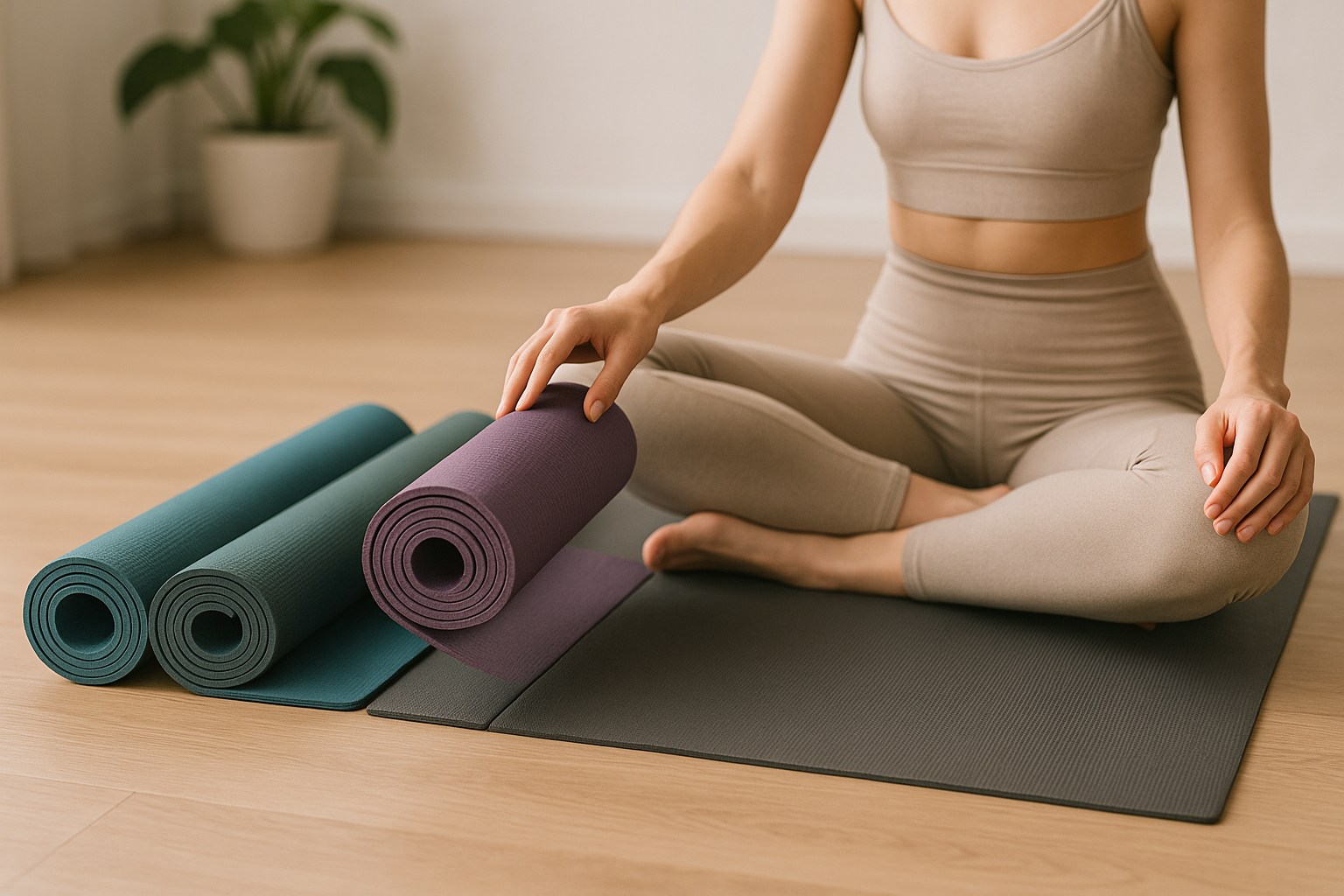
Yoga mats are commonly made from PVC, TPE, natural rubber, cork or jute. PVC mats are durable and grippy when new but less eco-friendly. TPE offers a middle ground—good grip with better recyclability. Natural rubber and cork are renewable and generally provide excellent traction, but may feel heavier and can cause allergic reactions for some users.
If sustainability and chemical sensitivity concern you, choose mats marketed for eco-conscious consumers and check manufacturing notes. For gentle cushioning that supports recovery, you can pair a softer mat with tools from recovery and pain relief to protect joints after intense sessions.
Thickness and cushioning: balance support with stability
Thickness is typically measured in millimeters. Common ranges:
- 1–2 mm: travel mats (very portable but little cushioning)
- 3–4 mm: standard for studio practice (good balance of support and stability)
- 5–8 mm: therapeutic or restorative mats (excellent cushioning for knees and wrists)
Heavier cushioning protects joints but can reduce stability in standing balances. If you need extra padding for injuries or uncomfortable flooring, thicker mats or a layered approach (a standard mat plus a thin foldable cushion) works well. Browse options in Yoga & Pilates collections that include specialty thicknesses.
Grip and texture: how slip-resistant do you need it?
Grip depends on both material and surface texture. A tacky surface helps maintain poses when you sweat, while patterned or raised textures improve friction under hands and feet. In hot, high-intensity classes you may prefer mats with superior wet grip or consider pairing a standard mat with a towel.
Small accessories—like yoga straps, blocks, or non-slip toppers—can enhance safety; see related fitness accessories designed to increase traction and alignment during practice.
Size and portability: fit your body and lifestyle
Standard mats are about 68 inches long and 24 inches wide. Taller practitioners should look for “long” versions (72–84 inches). If you travel or commute with your mat, low-weight, foldable options or travel mats (1–2 mm) are best.
If you create a dedicated practice corner at home, consider storage and equipment synergy: bulkier mats and complementary items can be integrated with compact setups and larger pieces from your home gym equipment to build a multi-use space.
Durability and maintenance: how to clean and how long it lasts
Durability is influenced by material and thickness. PVC mats often outlast softer eco-mats but may lose grip over time. Clean mats regularly with a gentle cleanser and air dry flat to avoid warping. For cork and natural rubber, avoid direct sunlight to prevent degradation.
Investing a bit more upfront in a high-quality mat often saves money over time. For a healthier home environment and fewer off-gassing concerns, look at mats and products related to healthy living—many vendors list low-VOC certifications and care recommendations.
Match the mat to your gear and wardrobe
Your mat should complement your practice accessories and clothing. A stable mat pairs well with form-fitting activewear that allows full range of motion; consider browsing activewear for breathable tops and layers. For women seeking specific fits, sales pages for Women’s Activewear Leggings offer options that stay put during inversions and deep bends.
Budget considerations and value
Price ranges vary widely. Budget mats are fine for starting out, but if you practice frequently, treat your mat like a tool—spend on better grip, padding and durability. Consider warranties or replacement programs offered by reputable brands to get the best long-term value.
Checklist: How to choose your yoga mat
- Identify your practice type (gentle, hot, power, restorative).
- Choose material based on grip, weight, and eco-preferences.
- Select thickness that balances cushioning and stability.
- Check dimensions—length for taller bodies, width for wider stances.
- Test grip by mimicking sweaty conditions or review wet-grip specs.
- Confirm care instructions and lifespan expectations.
- Match your mat to storage and travel needs.
FAQ
Q: What thickness is best for beginners?
A: 3–4 mm is a versatile starting point—enough cushioning without compromising balance.
Q: Are eco-friendly mats less grippy?
A: Not necessarily. Natural rubber and cork often provide excellent dry grip; wet-grip varies by finish. Read product details and reviews.
Q: How do I clean my mat?
A: Wipe with mild soap and water after practice, rinse, and air dry flat. Avoid soaking cork or natural rubber mats and steer clear of harsh chemicals.
Q: Can I use a regular fitness mat for yoga?
A: You can, but fitness mats (thicker, denser) may reduce balance. Choose based on the type of yoga you do.
Q: How often should I replace my mat?
A: Replace when grip deteriorates, the surface flakes, or hygiene becomes an issue—typically every 1–3 years depending on use.
Conclusion
Choose a yoga mat that supports your practice goals: match material and thickness to your style, prioritize grip for sweaty classes, and consider portability if you travel. Use the checklist to evaluate options and invest in a mat that encourages consistency—your practice will thank you.