Top Fitness Essentials for Home Workouts
Building a dependable home workout setup doesn’t require a garage full of machines. With the right selection of home workout equipment, you can create a versatile, space-efficient routine that delivers results and fits your life.
This guide breaks down the essentials—cardio, strength, mobility, recovery, accessories and nutrition—so you can prioritize purchases and assemble a practical, long-lasting home gym.
Why the right home workout equipment matters
Choosing reliable, multi-purpose items helps you stay consistent. A compact, efficient setup reduces decision fatigue and increases the likelihood you’ll actually train. Consider starting with a few high-impact pieces and layering in extras as your needs evolve. Browse starter setups and durable items from the Home Gym Equipment category to see popular, space-conscious options.
Cardio essentials for small spaces
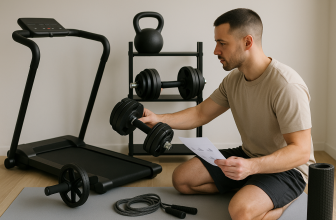
Cardio improves heart health, supports weight management and boosts recovery. For home use, prioritize machines or tools that fit your space and training preferences—options include compact treadmills, folding bikes, and rowing machines. If you want a full-body, low-impact option that stores easily, explore the Cardio Equipment selection to compare compact rowers and other user-friendly choices.
Strength-training staples
Strength work builds muscle, increases metabolic rate and protects joints. Start with a few versatile pieces: adjustable dumbbells or a set of kettlebells, a sturdy bench, and resistance bands. These allow you to program progressive overload and a wide variety of movements. For more options and structured equipment, check products in the Strength Training category when planning upgrades.
Floor space and mats: the foundation
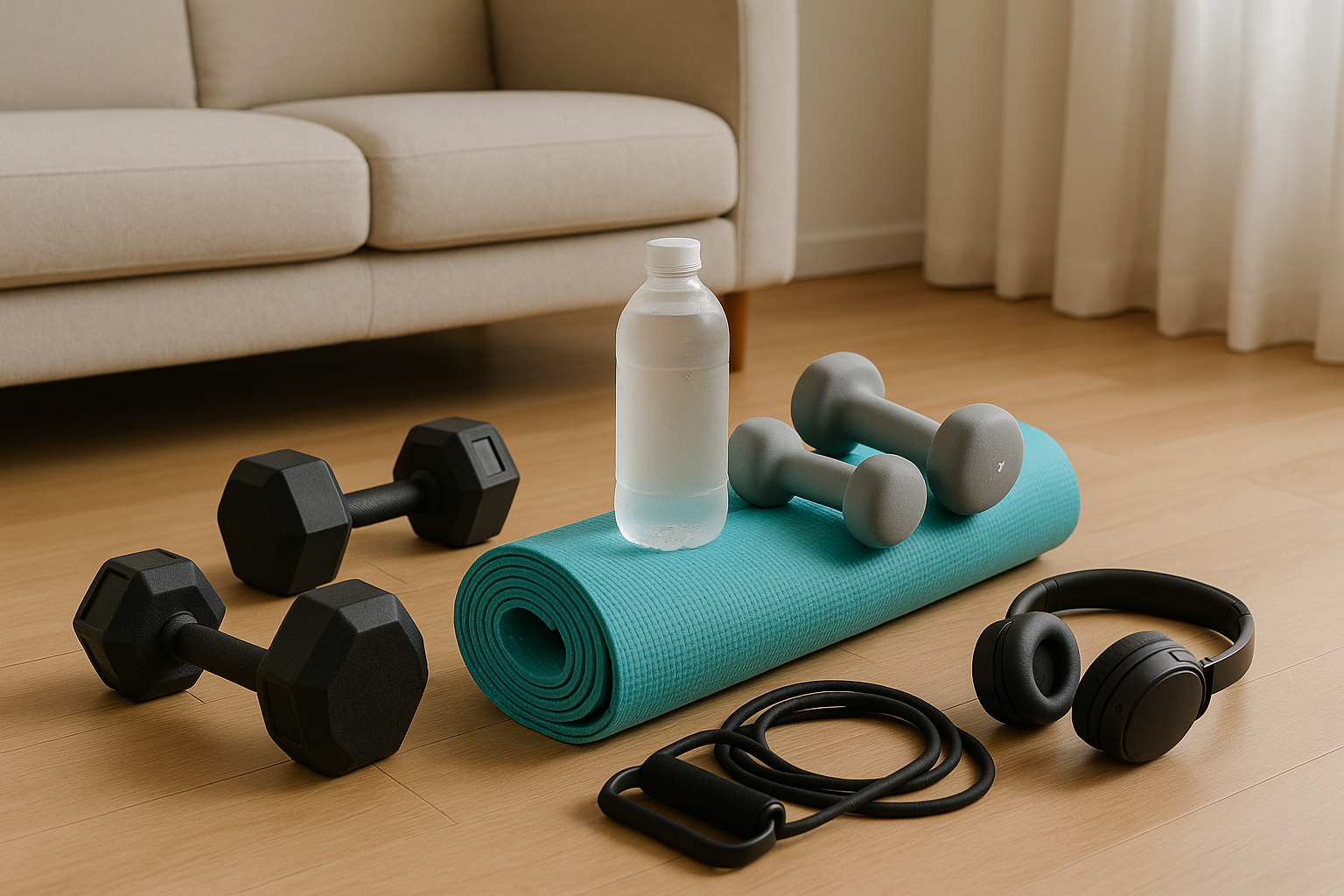
A durable, non-slip mat protects floors, reduces noise and creates a comfortable surface for bodyweight, mobility, and floor-based strength work. Choose a mat that’s thick enough for joint support but thin enough to keep balance for standing movements. See high-quality options tailored for home setups in the Exercise Mats collection.
Small accessories that deliver big returns
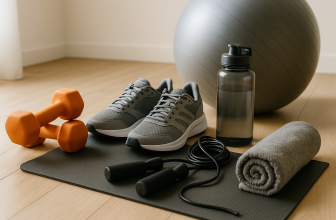
Affordable accessories expand what you can do without taking much space. Useful items include resistance bands, a jump rope, adjustable ankle weights, and a set of collars or racks if you use free weights. These add variety and intensity to circuits, HIIT sessions, and mobility work. Browse compact, practical items in the Fitness Accessories category to fill gaps in your kit.
Recovery and injury prevention tools
Recovery gear is as important as training tools—proper recovery keeps you consistent and lowers injury risk. Invest in a foam roller, massage tools, and a basic posture aid if you sit a lot. These help manage soreness, improve mobility, and support long-term progress. Check the selection in Recovery & Pain Relief for targeted solutions.
Fitness technology and tracking
Technology helps measure progress and keep training efficient. A simple wearable or phone-based tracker plus a reliable timer will cover most needs—interval training, workout length, and recovery metrics. If you prefer equipment-specific monitors or coaching apps, the Fitness Technology category has devices to help you track workouts and stay accountable.
Nutrition and supplements to support training
While equipment drives the stimulus, nutrition fuels progress. Prioritize whole foods, adequate protein and hydration; supplements can be useful when diet gaps exist. For convenient post-workout recovery or to meet protein goals on busy days, consider trusted options within the Protein Powders collection. Always treat supplements as support, not a replacement for balanced meals.
Designing your first home workout routine
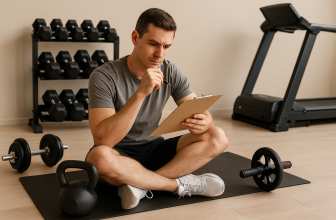
Your initial routine should be simple, scalable and cover major movement patterns: push, pull, hinge, squat, core and cardio. A practical weekly split for most people is: two strength days, one full-cardio or HIIT day, one mobility/recovery day, and one mixed or active recovery day. Use a timer or app to manage intervals and progressive overload—small, consistent increases in resistance, reps, or time produce the strongest long-term gains.
Budgeting and buying strategy
Prioritize versatility and durability. If your budget is limited, buy items that serve multiple purposes: adjustable dumbbells, resistance bands, and a good mat. When upgrading, add a quality cardio machine or a bench. If space is the biggest constraint, foldable or stackable gear delivers solid value—compare options on the Home Gym Equipment page and the categories above to plan smart purchases without overspending.
Checklist: Quick shopping and setup guide
- Essential: Durable exercise mat and space (measure before you buy).
- Cardio: Compact rower, foldable bike, or jump rope.
- Strength: Adjustable dumbbells, kettlebell or resistance bands.
- Accessories: Resistance bands, jump rope, storage rack or hook.
- Recovery: Foam roller, massage tool, and posture support.
- Tech: Timer or simple fitness tracker for intervals and progress.
- Nutrition: Protein powder or convenient high-protein options as needed.
FAQ
- What’s the minimum equipment for effective home training?
Start with a good mat, a set of adjustable dumbbells or kettlebell, resistance bands and a timer. These cover strength, mobility and interval cardio.
- Can I get a full-body workout with only resistance bands?
Yes. Quality bands allow progressive overload through variations in band tension, reps, tempo, and exercise complexity.
- How much space do I need for a functional home gym?
Most bodyweight and band routines need about 6×6 feet. Cardio machines require more—measure before purchasing to ensure fit and storage options.
- Do I need a rower or treadmill for cardio?
No. Rowers and treadmills are helpful but not essential. High-intensity circuits, jump rope, and outdoor runs are effective alternatives.
- How often should I replace mats and bands?
Inspect bands for tears and mats for compression or slickness every 6–12 months depending on use. Replace if safety or comfort is compromised.
Conclusion: Practical takeaway
Focus on versatile, high-impact purchases first: a reliable mat, a cardio option that fits your space, and strength tools that let you progress. Layer in accessories, recovery tools, and basic tracking to maintain consistency. Thoughtful selections of home workout equipment let you build an effective, long-term routine without clutter or overspend.