How to Choose the Right Fitness Equipment
Choosing the right fitness equipment can make the difference between consistent progress and wasted money. The right pieces should fit your goals, space, budget, and personal preferences so you actually use them week after week.
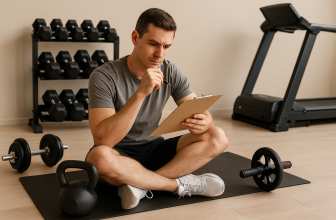
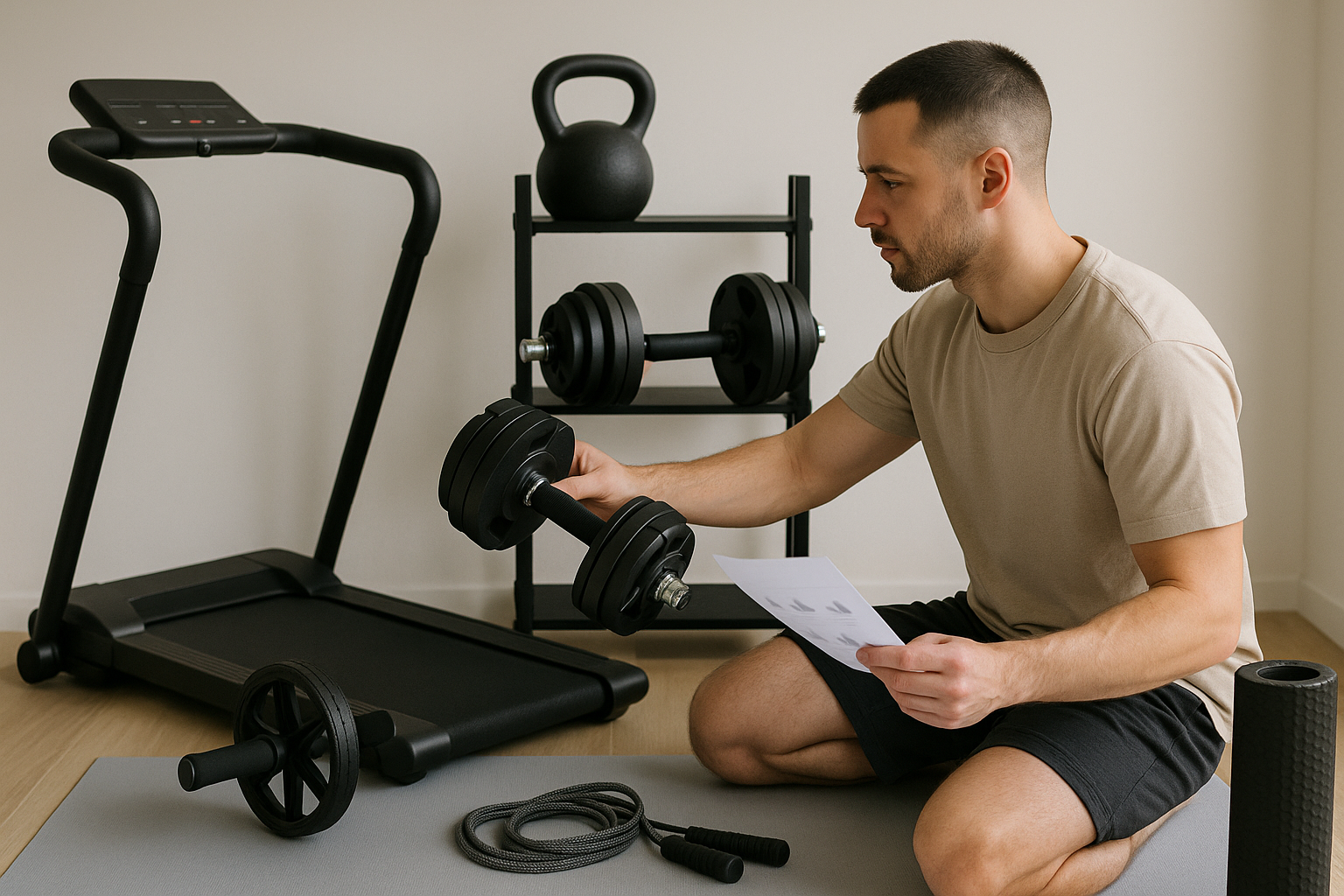
Before you buy, evaluate what you want to accomplish and match equipment to real constraints—room size, noise limits, and time available. If you plan to build a workout corner at home, start by browsing options for home gym equipment to see what fits your space and budget.
1. Define Your Goals: Strength, Cardio, or Mobility?
First, be specific. Do you want to gain muscle, lose weight, improve endurance, increase flexibility, or support recovery? Your goal narrows choices quickly. For sustained calorie burn and heart health, explore reliable cardio equipment like rowers, bikes, and treadmills. If progressive overload and muscle growth are primary, prioritize pieces from the strength training category such as adjustable dumbbells, kettlebells, or a compact power rack.
2. Audit Your Space and Logistics
Measure the floor area, ceiling height, and access routes for delivery and assembly. Some machines need clearance for full range of motion or folding. Consider vertical storage, compact designs, and items that double as furniture-friendly when idle. If you’ll be using floor-based routines, plan for a protective surface or mat.
3. Prioritize Budget and Long-Term Value
Set a realistic budget that separates must-haves from nice-to-haves. Low-cost items can offer a high return—resistance bands and dumbbells are inexpensive but effective—while big-ticket machines need more scrutiny. Think beyond the purchase price: factor in shipping, assembly, maintenance, and spare parts. A well-built piece that lasts years is often cheaper per workout than a disposable bargain.
4. Compare Types of Equipment and Their Tradeoffs
Understand how common machines differ so you can choose what fits your schedule and goals.
- Rowers – Full-body, low-impact, strong cardio and strength crossover.
- Treadmills – High-impact, convenient for steady-state cardio and intervals.
- Stationary bikes – Low-impact, excellent for joints and longer sessions.
- Free weights – Versatile for strength and functional training.
- Machines – Easier for beginners and safer when training alone.
If you want tech-enabled tracking or guided workouts, check the latest in fitness technology to find devices with apps, Bluetooth, and performance metrics that help you stay consistent.
5. Look for Key Features: Adjustability, Footprint, and Build
Functional features often matter more than brand names. Seek equipment with:
- Easy adjustability (weight increments, resistance levels).
- Compact footprint or fold-flat storage if space is limited.
- Solid warranty and clear return policy.
- Reasonable noise levels if you live in an apartment.
Accessories can extend usefulness—sturdy benches, storage racks, and grips improve safety and organization. Browse the fitness accessories category to outfit a more effective setup.
6. Consider Comfort, Ergonomics, and Clothing
Comfort matters for adherence. Comfortable seating, grips, and pedal spacing reduce fatigue and injury risk. Also prepare yourself: wearing the right gear improves workout quality and reduces friction with equipment. If you need breathable, supportive gear, check options in activewear including tops and base layers that wick sweat and allow full range of motion.
7. Safety, Maintenance, and Longevity
Inspect build materials (steel frames, quality welds, reliable electronics). Read spec sheets for maximum user weight and stability. Ask about maintenance: lubrication points, belt replacements, and whether common parts are available locally. Factor in how easy the unit is to clean and whether moving parts are protected to reduce wear.
8. Prioritize Mobility and Recovery
Equipment selection should include recovery tools—foam rollers, massage devices, and supports—to keep you consistent. Recovery aids reduce downtime and improve performance. Look into recovery categories for posture supports and pain relief to round out your plan: recovery & pain relief products can be useful after intense sessions.
9. Buying New vs. Used
Used gear can save money but evaluate condition carefully. Check for frame rust, loose welds, worn belts, or squeaky parts. Ask the seller about maintenance history and test the machine. For electronics, confirm the monitor and sensors work reliably. When in doubt, pay more for a used item that’s well-maintained rather than a cheap unit that will fail quickly.
Checklist: Quick Buying Guide
- Define specific goals (strength, cardio, flexibility).
- Measure available space and delivery access.
- Set a budget including extras and maintenance.
- Choose equipment matching goals (rower, treadmill, free weights).
- Check adjustability, warranty, and noise level.
- Test ergonomics and comfort in person if possible.
- Buy accessories and recovery tools to support consistency.
- Compare new vs. used; inspect thoroughly.
FAQ
- Q: What’s the best single piece of equipment for most people?
A: A set of adjustable dumbbells or a quality rower offer broad benefits—strength and cardio—in a compact footprint. - Q: Is a treadmill or rower better for losing weight?
A: Both can be effective; choose what you’ll use consistently. Rowers add strength benefits and are low-impact. - Q: How much should I expect to spend on reliable home gear?
A: Expect to spend more for durability: basic free weights and bands are inexpensive, mid-range machines and racks are several hundred to a few thousand dollars. - Q: Are compact or foldable machines worth it?
A: Yes if space is limited—just confirm stability and durability when folded/unfolded. - Q: How often should I maintain equipment?
A: Wipe down after use, check bolts monthly, lubricate moving parts per the manufacturer’s schedule, and replace worn parts promptly.
Conclusion: Make a Plan, Then Buy
Choosing the right fitness equipment is a balance of goals, space, budget, and long-term value. Start with a clear objective, prioritize versatile and durable pieces, and add accessories and recovery tools to sustain consistency. If you need low-impact options or tools for stretching and balance, explore the yoga & pilates category for mats and props that fit small spaces.
Small steps—measuring your space, testing ergonomics, and buying quality where it matters—lead to a home setup that supports real progress.